|
CLS Cell Lines Service GmbH
cat 300356 p804 thp 1 Cat 300356 P804 Thp 1, supplied by CLS Cell Lines Service GmbH, used in various techniques. Bioz Stars score: 95/100, based on 1 PubMed citations. ZERO BIAS - scores, article reviews, protocol conditions and more https://www.bioz.com/product/thp-1+cells/THP-1+Cells/pm35172843-96-14-13 Average 95 stars, based on 1 article reviews
cat 300356 p804 thp 1 - by Bioz Stars,
2026-10
95/100 stars
|
Buy from Supplier |
|
InvivoGen
isg cells 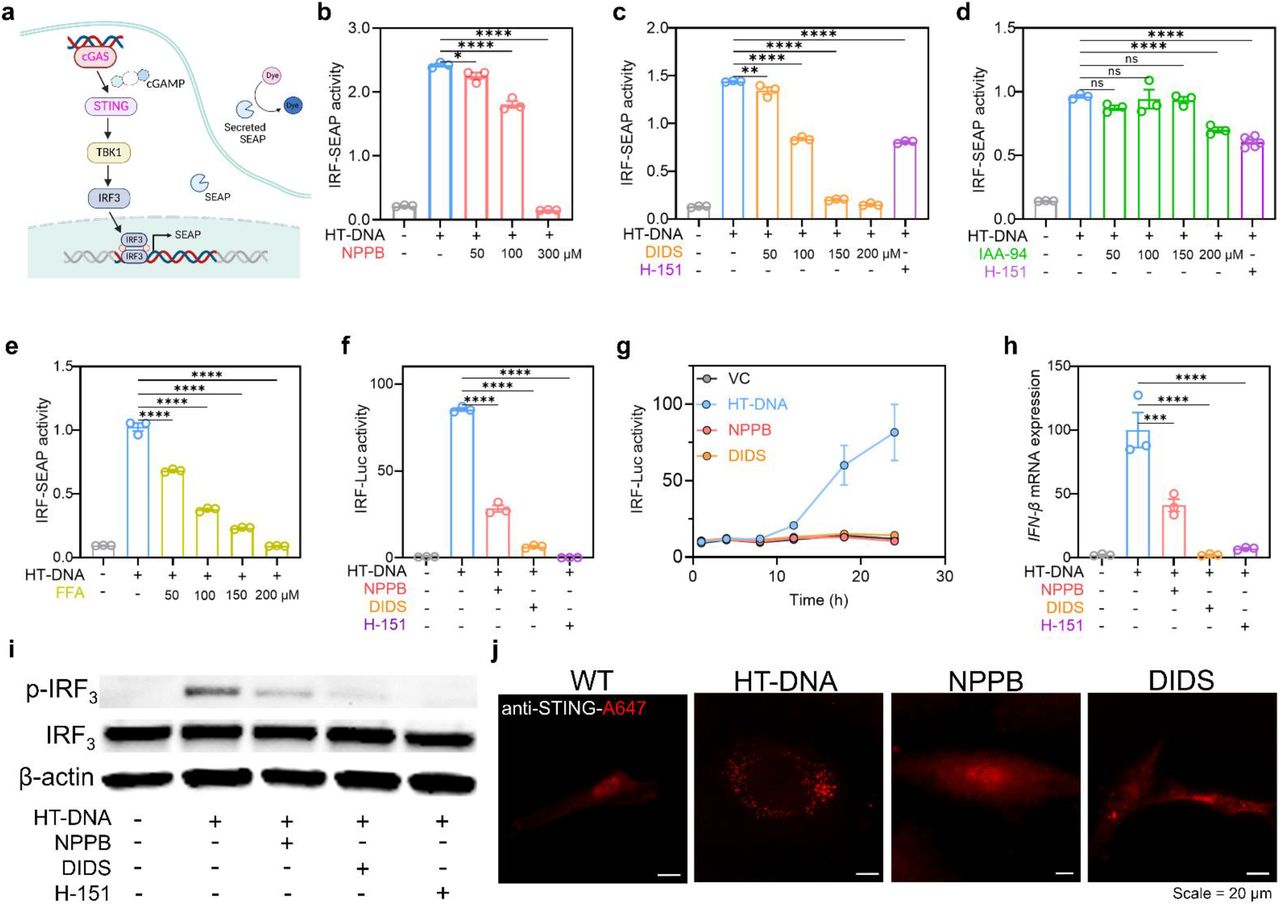 Isg Cells, supplied by InvivoGen, used in various techniques. Bioz Stars score: 95/100, based on 1 PubMed citations. ZERO BIAS - scores, article reviews, protocol conditions and more https://www.bioz.com/product/thp-1+cells/THP1-Blue+ISG+Cells/bio_rxiv__2024__04__08__588475-181-1-6 Average 95 stars, based on 1 article reviews
isg cells - by Bioz Stars,
2026-10
95/100 stars
|
Buy from Supplier |
|
InvivoGen
thp1 dual ko tbk1 Thp1 Dual Ko Tbk1, supplied by InvivoGen, used in various techniques. Bioz Stars score: 92/100, based on 1 PubMed citations. ZERO BIAS - scores, article reviews, protocol conditions and more https://www.bioz.com/product/thp-1+cells/THP1-Dual+KO-TBK1+Cells/pmc08773171-42-9-14 Average 92 stars, based on 1 article reviews
thp1 dual ko tbk1 - by Bioz Stars,
2026-10
92/100 stars
|
Buy from Supplier |
|
InvivoGen
thp1 blue nf kb reporter monocytes  Thp1 Blue Nf Kb Reporter Monocytes, supplied by InvivoGen, used in various techniques. Bioz Stars score: 97/100, based on 1 PubMed citations. ZERO BIAS - scores, article reviews, protocol conditions and more https://www.bioz.com/product/thp-1+cells/THP1-Blue+NF-%CE%BAB+Cells/bio_rxiv__64898__2026__06__08__731027-134-4-13 Average 97 stars, based on 1 article reviews
thp1 blue nf kb reporter monocytes - by Bioz Stars,
2026-10
97/100 stars
|
Buy from Supplier |
|
InvivoGen
tlr 4 knockout ko thp 1 cells  Tlr 4 Knockout Ko Thp 1 Cells, supplied by InvivoGen, used in various techniques. Bioz Stars score: 94/100, based on 1 PubMed citations. ZERO BIAS - scores, article reviews, protocol conditions and more https://www.bioz.com/product/thp-1+cells/THP1-Dual+KO-TLR4+Cells/pmc12748192-178-2-7 Average 94 stars, based on 1 article reviews
tlr 4 knockout ko thp 1 cells - by Bioz Stars,
2026-10
94/100 stars
|
Buy from Supplier |
|
InvivoGen
thp1 dual ko sting thpd kostg Thp1 Dual Ko Sting Thpd Kostg, supplied by InvivoGen, used in various techniques. Bioz Stars score: 95/100, based on 1 PubMed citations. ZERO BIAS - scores, article reviews, protocol conditions and more https://www.bioz.com/product/thp-1+cells/THP1-Dual+KO-STING+Cells/pmc12010966-43-13-19 Average 95 stars, based on 1 article reviews
thp1 dual ko sting thpd kostg - by Bioz Stars,
2026-10
95/100 stars
|
Buy from Supplier |
|
InvivoGen
thp 1 cells Thp 1 Cells, supplied by InvivoGen, used in various techniques. Bioz Stars score: 93/100, based on 1 PubMed citations. ZERO BIAS - scores, article reviews, protocol conditions and more https://www.bioz.com/product/thp-1+cells/THP1-defCASP1+Cells/pm42771524-1245-0-8 Average 93 stars, based on 1 article reviews
thp 1 cells - by Bioz Stars,
2026-10
93/100 stars
|
Buy from Supplier |
|
InvivoGen
cgas knockout thp Cgas Knockout Thp, supplied by InvivoGen, used in various techniques. Bioz Stars score: 98/100, based on 1 PubMed citations. ZERO BIAS - scores, article reviews, protocol conditions and more https://www.bioz.com/product/thp-1+cells/THP1-Dual+Cells/pm42479486-176-29-40 Average 98 stars, based on 1 article reviews
cgas knockout thp - by Bioz Stars,
2026-10
98/100 stars
|
Buy from Supplier |
|
InvivoGen
thp 1 asc gfp  Thp 1 Asc Gfp, supplied by InvivoGen, used in various techniques. Bioz Stars score: 95/100, based on 1 PubMed citations. ZERO BIAS - scores, article reviews, protocol conditions and more https://www.bioz.com/product/thp-1+cells/THP1-ASC-GFP+Cells/pmc12404154-269-0-1 Average 95 stars, based on 1 article reviews
thp 1 asc gfp - by Bioz Stars,
2026-10
95/100 stars
|
Buy from Supplier |
|
InvivoGen
thp1 lucia isg cells Thp1 Lucia Isg Cells, supplied by InvivoGen, used in various techniques. Bioz Stars score: 95/100, based on 1 PubMed citations. ZERO BIAS - scores, article reviews, protocol conditions and more https://www.bioz.com/product/thp-1+cells/THP1-Lucia+ISG+Cells/pmc12749358-236-0-3 Average 95 stars, based on 1 article reviews
thp1 lucia isg cells - by Bioz Stars,
2026-10
95/100 stars
|
Buy from Supplier |
|
InvivoGen
sting1 v155m thp1  Sting1 V155m Thp1, supplied by InvivoGen, used in various techniques. Bioz Stars score: 95/100, based on 1 PubMed citations. ZERO BIAS - scores, article reviews, protocol conditions and more https://www.bioz.com/product/thp-1+cells/THP1-Dual+KI-hSTING-H232+Cells/pmc09234224-63-0-3 Average 95 stars, based on 1 article reviews
sting1 v155m thp1 - by Bioz Stars,
2026-10
95/100 stars
|
Buy from Supplier |
|
InvivoGen
human monocyte cell line thp1 hmgb1 luciatm  Human Monocyte Cell Line Thp1 Hmgb1 Luciatm, supplied by InvivoGen, used in various techniques. Bioz Stars score: 93/100, based on 1 PubMed citations. ZERO BIAS - scores, article reviews, protocol conditions and more https://www.bioz.com/product/thp-1+cells/THP1-HMGB1-Lucia+Cells/pmc08755814-459-1-10 Average 93 stars, based on 1 article reviews
human monocyte cell line thp1 hmgb1 luciatm - by Bioz Stars,
2026-10
93/100 stars
|
Buy from Supplier |
Image Search Results
Journal: bioRxiv
Article Title: Chloride Homeostasis Regulates cGAS-STING Signaling
doi: 10.1101/2024.04.08.588475
Figure Lengend Snippet: ( a ) Schematic diagram illustrating the mechanism for monitoring cGAS-STING pathway activation via IRF3 reporter cells. Activation of IRF3 induces the production of secreted reporter enzyme. The reporter enzyme is secreted into cell culture supernatant and IRF 3 activation can be determined by reporter activity using ( b − e ) colorimetric (OD at 655nm) or ( f − g ) luminescent methods. ( b-e ) THP1-Blue ISG cells were pretreated with ( b ) 50-300 μM NPPB, ( c ) 50-200 μM DIDS, ( d ) 50-200 μM IAA-94, ( e ) 50-200 μM FFA, and 2.5 μM H-151 (STING inhibitor) for 1 h then transfected with 2×10 −2 μg/µL HT-DNA overnight. Error bars indicate the mean ± standard error of the mean (s.e.m.) of three independent measurements. * P < 0.05; ** P < 0.01; **** P < 0.0001. One-way analysis of variance (ANOVA) followed by Dunnett’s test for multiple comparison. ns, not significant. ( f-g ) RAW-Dual cells were pretreated with 100 μM NPPB, 150 μM DIDS, and 15 μM H-151 for 1 h then transfected with 2×10 −2 μg/µL HT-DNA for ( f ) overnight, ( g )1-24 h. Error bars indicate the mean ± standard error of the mean (s.e.m.) of three independent measurements. **** P < 0.0001. One-way analysis of variance (ANOVA) followed by Dunnett’s test for multiple comparison. (h) IFN-β mRNA expression levels in THP1 cells pretreated with 100 μM NPPB,150 μM DIDS,15μM H-151 for overnight and then transfected with 2×10 −2 µg/µL HT-DNA overnight. mRNA levels were measured by the RT-qPCR. Error bars indicate the mean ± standard error of the mean (s.e.m.) of three independent measurements. *** P < 0.001; **** P < 0.0001. One-way analysis of variance (ANOVA) followed by Dunnett’s test for multiple comparison. (i) Western blotting to measure the protein expression level of p-IRF 3 , IRF 3 and β-actin in THP-1 cells that were pretreated with 100 μM NPPB,150 μM DIDS, and 15 μM H-151 overnight and then transfected with 2×10 −2 µg/µL HT-DNA overnight. Experiments were performed in three biological replicates. (j) Primary human dermal fibroblasts (HDF) were pretreated with 100 μM NPPB, 150 μM DIDS for 18 h and then transfected with 2×10 −2 µg/µL HT-DNA for 6 h. Cells were fixed using paraformaldehyde and stained with anti-STING antibodies. Experiments were performed in three biological replicates.
Article Snippet: THP1-Blue™
Techniques: Activation Assay, Cell Culture, Activity Assay, Transfection, Comparison, Expressing, Quantitative RT-PCR, Western Blot, Staining

Journal: bioRxiv
Article Title: Chloride Homeostasis Regulates cGAS-STING Signaling
doi: 10.1101/2024.04.08.588475
Figure Lengend Snippet: (a) RAW-Dual cells were pretreated with 100 µM 2,3-cGAMP for 30 min, followed by washing with PBS, and then incubated with 100 μM NPPB and 15 μM H-151 overnight. (b) RAW-Dual cells were pretreated with 100 µM DMXAA or 100 µM 2,3-cGAMP for 30 min, followed by washing with PBS, and then incubated with 150 μM DIDS, and 15 μM H-151 overnight. (c) THP1-Blue ISG cells were pretreated with 100 μM NPPB, 200 µM IAA-94, 100 μM FFA, and 15 μM H-151 for 1 h and then stimulated with 30 µM MSA-2 overnight. (d) IFN-β mRNA expression levels were measured in THP1 cells pretreated with 100 μM NPPB, and 150 μM DIDS overnight and stimulated with 100 µM 2,3-cGAMP overnight. mRNA levels were measured using the RT-qPCR. (e) IFN-β mRNA expression levels were measured in THP1 cells pretreated with 100 μM NPPB, 150 μM DIDS and 15 μM H-151 overnight and stimulated with 30 µM MSA-2 overnight. mRNA levels were measured using the RT-qPCR. (a-e) Error bars indicate the mean ± standard error of the mean (s.e.m.) of three independent measurements. **** P < 0.0001. One-way analysis of variance (ANOVA) followed by Dunnett’s test for multiple comparison. ns, not significant. (f-g) Western blotting to measure the protein expression level of p-IRF 3 , IRF 3 and β-actin in THP-1 cells that were pretreated with ( f ) 100 μM NPPB, ( g ) 150 μM DIDS, and 15 μM H-151 overnight and then stimulated with 100 µM 2,3-cGAMP overnight. Experiments were performed in three biological replicates. (h) Immunofluorescent analysis of HDF cells pretreated with 100 μM NPPB, and 150 μM DIDS overnight and then stimulated with 30 µM MSA-2 for 6 h. (i) Percentage of cells with STING puncta correlating to ( h ). Experiments were performed in three biological replicates (>125 cells per trial). Error bars indicate the mean ± standard error of the mean (s.e.m.) of three independent measurements. **** P < 0.0001. One-way analysis of variance (ANOVA) followed by Dunnett’s test for multiple comparison.
Article Snippet: THP1-Blue™
Techniques: Incubation, Expressing, Quantitative RT-PCR, Comparison, Western Blot
Journal: bioRxiv
Article Title: Bifidobacterium pseudocatenulatum extracellular vesicles promote Ly6G+ granulocyte infiltration to inhibit melanoma tumour progression
doi: 10.64898/2026.06.08.731027
Figure Lengend Snippet: (A) Bone marrow cells were incubated ex vivo with PBS or BEVs (10 9 particles/well) for 5 h. CD11b+Ly6G+ cells among CD45+ cells were quantified by flow cytometry; representative contour plots shown. (B) ICAM-1 expression on Ly6G+ cells after BEV exposure; representative plots and quantification shown. (C-D) In vivo bone marrow CD11b+ and Ly6G+ populations among CD45+ cells in non-tumour-bearing and tumour-bearing mice following PBS or BEV administration. (E) KC/CXCL1 levels in mouse splenocyte supernatants following PBS, BEV or LPS stimulation. (F) IL-8 levels in THP-1 macrophage and THP1-Blue supernatants following PBS, BEV or LPS stimulation. Statistics: (A-B) paired two-tailed t-tests; other statistical tests as indicated in Methods. Bars = mean ± SEM.
Article Snippet: THP-1 monocytes (ATCC, TIB-202),
Techniques: Incubation, Ex Vivo, Flow Cytometry, Expressing, In Vivo, Two Tailed Test, FACS
Journal: Frontiers in Immunology
Article Title: Isolation of a nanobody specific to the PstS-1 protein and evaluation of its immunoreactivity with structural components of Mycobacterium tuberculosis granuloma
doi: 10.3389/fimmu.2025.1684904
Figure Lengend Snippet: C8Nb recognizes PstS-1 protein adhered on the surface of either mycobacteria or macrophages. (A) When single cell suspensions of bacteria were probed with 125 I-C8Nb, only Mtb and BCG pellets demonstrated tracer binding. (B) Immunoreactivity of 125 I-C8Nb was confirmed with single cell suspensions of Mtb LAM and Mtb Beijing strains. (C) Protein mixtures prepared from bacterial lysates or rPstS-1 protein were adhered on formaldehyde fixed RAW 264.7 macrophages and then cells were incubated with 125 I-C8Nb. Tracer showed binding with the cells which were treated with either rPstS-1 protein or protein mixtures prepared from Mtb or BCG lysates. (D) In similar binding studies on THP-1 macrophages adhered with rPstS-1 protein, WT and TLR4 KO cells demonstrated comparable tracer binding, while tracer binding with TLR2 KO cells was low and comparable with WT cells treated with BSA. In the case of MR, spiking Mtb protein mixture with mannose (1mg/ml) did not affect tracer binding. Data suggested that the epitope on PstS-1 protein bound to only TLR2 is accessible to C8Nb for binding, while MR and TLR4 are not playing role in binding. In all assays (A-D) , specific binding of 125 I-C8Nb tracer (T) was assessed by including spiked tracer (ST). (E) In fluorescence microscopy, THP-1 cells were sequentially incubated with rPstS-1 protein, C8Nb and rabbit anti-camelid V H H cocktail-iFluor555. Analysis of acquired images suggested that TLR2 is involved in binding of C8Nb with PstS-1 protein treated THP-1 macrophages. Scale bars: 10μm. (A-D) all values are mean ± SD, and derived from more than three independent experiments. Significance was calculated by one-way ANOVA followed by Dunnett’s multiple comparisons or Bonferroni’s post hoc test; ***P <0.001.
Article Snippet: TLR-2 and
Techniques: Single Cell, Bacteria, Binding Assay, Incubation, Fluorescence, Microscopy, Analysis, Derivative Assay
Journal: The Journal of Experimental Medicine
Article Title: Discovery of potent and selective inhibitors of human NLRP3 with a novel mechanism of action
doi: 10.1084/jem.20242403
Figure Lengend Snippet: BAL-0028 specifically inhibits NLRP3 inflammasome formation. (A) Western blot for caspase-1 and IL-1β cleavage and NLRP3 expression from PMA-differentiated THP-1 cells stimulated with LPS and nigericin in the presence of BAL-0028 or MCC950 (both 500 nM). (B) Comparison of BAL-0028 and MCC950 effects on ASC speck formation assessed by fluorescence microscopy in PMA-differentiated THP-1 ASC-GFP cells stimulated with LPS and nigericin. (C) Comparison of BAL-0028 and MCC950 effects on ASC speck formation assessed by flow cytometry in HEK293T ASC-BFP cells transfected with human NLRP3 and stimulated with nigericin. (D and E) Effect of BAL-0028 and MCC950 on ASC speck formation assessed by fluorescence microscopy using an anti-ASC antibody in iMacs. (F and G) Effects of BAL-0028, MCC950, and VX-765 on IL-1β release from PMA-differentiated THP-1 cells stimulated with (F) LPS and transfected with poly(dA:dT) or (G) protective antigen (PA) and Lfn-needle protein. (H) Effects of BAL-0028, MCC950, and VX-765 on IL-18 release from human keratinocytes stimulated with talabostat. (A) Representative blots from N = 2 independent experiments. (B) Average ± SEM % ASC-GFP speck-positive cells from N = 2 independent experiments performed in triplicate. (C) Average ± SEM change in nigericin-induced ASC specks normalized to cells without compound treatment from N = 3–4 independent experiments. (D and F–H) Graph symbols show average values relative to vehicle control from independent experiments performed in triplicate (indicated by different symbols) ± SEM. N = 2 (D, G, and H) and N = 3 (F). (E) Representative images from D, scale bar is 100 μM. Source data are available for this figure: .
Article Snippet:
Techniques: Western Blot, Expressing, Comparison, Fluorescence, Microscopy, Flow Cytometry, Transfection, Control, Fluorescence Microscopy

Journal: The Journal of Experimental Medicine
Article Title: Discovery of potent and selective inhibitors of human NLRP3 with a novel mechanism of action
doi: 10.1084/jem.20242403
Figure Lengend Snippet: BAL-0598 inhibits the activation of human and monkey NLRP3 and is a non-covalent inhibitor . Related to and . (A) BAL-0598 in IL-1β release assay from PMA-differentiated THP-1 cells stimulated with LPS and MSU. (B) BAL-0598 effect on ASC speck formation assessed by fluorescence microscopy in PMA-differentiated THP-1 ASC-GFP cells stimulated with LPS and nigericin. (C and D) Comparison of BAL-0598, BAL-0028, and MCC950 in an LDH release assay in primary peritoneal macrophages isolated from (C) WT 129S6 or (D) 129S6 mouse promoter- NLRP3 mice stimulated with LPS and ATP. Graph symbols show average LDH values ± SEM from N = 2 independent experiments performed in duplicate. (E and F) BAL-0598 in IL-1β release assays from cells stimulated with LPS and nigericin. African green monkey CD14 + monocytes (E) and PBMCs (F). (A, B, E, and F) Graph symbols show average values relative to vehicle control ± SEM (A, N = 2) or SD (B, E, and F, N = 1) from independent experiments performed in duplicate (E) or triplicate (A, B, and F); IC 50 curve was fitted by nonlinear regression analysis. (G) Comparison of BAL-0028, BAL-0598, and MCC950 in an IL-1β release assay from PMA-differentiated THP-1 cells stimulated with LPS and nigericin. Cells were treated with compounds before nigericin stimulation, and compounds were left on or were washed out for 1 min before nigericin addition. The graph shows average IL-1β values ± SD from one experiment performed in triplicate. (H) Schematic illustration of U937 NLRP3 and NLRP3-AID mutant cell model.
Article Snippet:
Techniques: Activation Assay, Release Assay, Fluorescence, Microscopy, Comparison, Lactate Dehydrogenase Assay, Isolation, Control, Analysis, Mutagenesis
Journal: iScience
Article Title: The STING1-MYD88 complex drives ACOD1/IRG1 expression and function in lethal innate immunity
doi: 10.1016/j.isci.2022.104561
Figure Lengend Snippet: STING1 is required for LPS-induced ACOD1 expression (A–D) RAW264.7 and THP1 cells were treated with LPS (50-5000 ng/mL) in the absence or presence of 3′3′-cGAMP (10 μg/mL) for 6 h, and then Acod1/ACOD1 mRNA and intracellular itaconate concentration were assayed (Data are presented as mean ± SD; n = 3 biologically independent samples; two-way ANOVA with Tukey’s multiple comparisons test). (E and F) RAW264.7 and THP1 cells were treated with LPS (500 ng/mL) in the absence or presence of 2′2′-cGAMP, 2′3′-cGAMP, c-di-AMP, or c-di-GMP at 10 μg/mL for 6 h, and then Acod1/ACOD1 mRNA and intracellular itaconate concentration were assayed (Data are presented as mean ± SD; n = 3 biologically independent samples; p < 0.01 versus LPS along group; two-way ANOVA with Tukey’s multiple comparisons test). (G–J) WT and V155M-THP1 cells were treated with indicated LPS for 6 h, and then IFNA1 mRNA, IL6 mRNA, ACOD1 mRNA, and intracellular itaconate concentration were assayed (Data are presented as mean ± SD; n = 3 biologically independent samples; two-way ANOVA with Tukey’s multiple comparisons test). (K) Western blot analysis of protein expression in indicated THP1 cells following treatment with LPS (500 ng/mL) for 6 h. (L) In parallel, intracellular itaconate concentration was assayed (Data are presented as mean ± SD; n = 3 biologically independent samples; two-way ANOVA with Tukey’s multiple comparisons test).
Article Snippet:
Techniques: Expressing, Concentration Assay, Western Blot, Analysis, Real-time Polymerase Chain Reaction

Journal: iScience
Article Title: The STING1-MYD88 complex drives ACOD1/IRG1 expression and function in lethal innate immunity
doi: 10.1016/j.isci.2022.104561
Figure Lengend Snippet: MYD88, but not CGAS, mediates LPS-induced ACOD1 expression (A–C) Indicated THP1 cells were treated with LPS (500 ng/mL) in the absence or presence of 3′3′-cGAMP (10 μg/mL), G3-YSD (1 μg/mL), G3-YSD-Ctrl (1 μg/mL), or LyoVec for 6 h, and then ACOD1 or IFNA1 mRNA was assayed (Data are presented as mean ± SD; n = 3 biologically independent samples; two-way ANOVA with Tukey’s multiple comparisons test). (D and E) Indicated THP1 cells were treated with LPS (500 ng/mL) in the absence or presence of 3′3′-cGAMP, 2′2′-cGAMP, 2′3′-cGAMP, c-di-AMP, or c-di-GMP at 10 μg/mL for 6 h, and then ACOD1 mRNA and intracellular itaconate concentration were assayed (Data are presented as mean ± SD; n = 3 biologically independent samples; two-way ANOVA with Tukey’s multiple comparisons test). (F) Western blot analysis of protein expression in indicated V155M-THP1 cells following treatment with LPS (500 ng/mL) for 6 h. (G and H) Analysis of ACOD1 mRNA and intracellular itaconate concentration in indicated V155M-THP1 cells following treatment with LPS (50-5000 ng/mL) for 6 h (Data are presented as mean ± SD; n = 3 biologically independent samples; two-way ANOVA with Tukey’s multiple comparisons test).
Article Snippet:
Techniques: Expressing, Concentration Assay, Western Blot, Analysis, Real-time Polymerase Chain Reaction

Journal: iScience
Article Title: The STING1-MYD88 complex drives ACOD1/IRG1 expression and function in lethal innate immunity
doi: 10.1016/j.isci.2022.104561
Figure Lengend Snippet: The MYD88-STING1 protein complex prevents autophagic degradation of STING1 (A) IP analysis of the MYD88-STING1 protein complex in THP1 cells following treatment with LPS (500 ng/mL) and 3′3′-cGAMP (10 μg/mL) for 6 h. (B) Representative colocalization images of MYD88 and STING1 in RAW264.7 cells in the presence or absence of LPS (500 ng/mL) and 3′3'-cGAMP (10 μg/mL) for 6 h. Bar = 10 μm. (C–F) Western blot analysis of protein expression in indicated THP1 cells following treatment with LPS (500 ng/mL) and 3′3′-cGAMP (10 μg/mL) in the absence or presence of chloroquine (50 μM) or MG132 (5 μM) for 6 h. (G) qPCR analysis of ACOD1 mRNA expression in indicated THP1 cells following treatment with LPS (500 ng/mL) and 3′3′-cGAMP (10 μg/mL) in the absence or presence of chloroquine (CQ; 50 μM) for 6 h (Data are presented as mean ± SD; n = 3 biologically independent samples; two-way ANOVA with Tukey’s multiple comparisons test).
Article Snippet:
Techniques: Analysis, Western Blot, Expressing, Immunofluorescence, Co-Immunoprecipitation Assay, Real-time Polymerase Chain Reaction

Journal: iScience
Article Title: The STING1-MYD88 complex drives ACOD1/IRG1 expression and function in lethal innate immunity
doi: 10.1016/j.isci.2022.104561
Figure Lengend Snippet: STING1 and MYD88 selectively mediate TLR signaling to induce ACOD1 expression (A) Indicated THP1 cells were stimulated with pam3CSK4 (1 ng/mL), HKLM (10 7 cells/mL), poly (I:C) (10 μg/mL), LPS (500 ng/mL), FLA-ST (100 ng/mL), FSL1 (0.1 ng/mL), imiquimod (5 μg/mL), ssRNA40 (5 μg/mL), or ODN2006 (10 μg/mL) for 6 h and the mRNA level of ACOD1 was assessed (Data are presented as mean ± SD; n = 3 biologically independent samples; two-way ANOVA with Tukey’s multiple comparisons test). (B) Wild-type THP1 cells were stimulated with indicated TLR ligands for 3 h and the mRNA level of TNF was assessed (Data are presented as mean ± SD; n = 3 biologically independent samples). (C) Wild-type THP1 cells were stimulated with indicated TLR ligands in the absence or presence of 3′3′-cGAMP (10 μg/mL) for 6 h and the mRNA level of ACOD1 was assessed (Data are presented as mean ± SD; n = 3 biologically independent samples; two-way ANOVA with Tukey’s multiple comparisons test). (D) Wild-type and V115M THP1 cells were stimulated with indicated TLR ligands for 6 h and the mRNA level of ACOD1 was assessed (Data are presented as mean ± SD; n = 3 biologically independent samples; two-way ANOVA with Tukey’s multiple comparisons test). The TLR ligand concentration used in panels B-D is the same as for panel A.
Article Snippet:
Techniques: Expressing, Concentration Assay

Journal: iScience
Article Title: The STING1-MYD88 complex drives ACOD1/IRG1 expression and function in lethal innate immunity
doi: 10.1016/j.isci.2022.104561
Figure Lengend Snippet: The IRF3-JUN transcription factor complex is required for ACOD1 upregulation (A) Western blot analysis of p-p65 and p -IRF3 in indicated THP1 cells following stimulation with 3′3'-cGAMP/LPS for 6 h. (B and C) In parallel, the activity of IRF or NF-κB was assayed by luciferase reporter gene assay (Data are presented as mean ± SD; n = 3 biologically independent samples; two-way ANOVA with Tukey’s multiple comparisons test). (D and E) Analysis of ACOD1 mRNA in indicated THP1 or RAW264.7 cells following stimulation with 3′3′-cGAMP/LPS for 3 and 6 h (Data are presented as mean ± SD; n = 3 biologically independent samples; two-way ANOVA with Tukey’s multiple comparisons test). (F) Heatmap of kinase phosphorylation changes in indicated THP1 cells following 3′3'-cGAMP/LPS stimulation for 6 h. (G) IP analysis of IRF3-JUN protein complex in THP1 cells following stimulation with 3′3′-cGAMP/LPS for 6 h. (H and I) ChIP-qPCR analysis of the binding of IRF3 and JUN on the promoter of ACOD1 in THP1 cells following stimulation with 3′3′-cGAMP/LPS for 3 and 6 h (Data are presented as mean ± SD; n = 3 biologically independent samples; t test). (J) Western blot analysis of ACOD1 in indicated THP1 cells following stimulation with 3′3′-cGAMP/LPS for 6 h.
Article Snippet:
Techniques: Western Blot, Analysis, Activity Assay, Luciferase, Reporter Gene Assay, Phospho-proteomics, ChIP-qPCR, Binding Assay, Co-Immunoprecipitation Assay, Real-time Polymerase Chain Reaction, Knockdown

Journal: iScience
Article Title: The STING1-MYD88 complex drives ACOD1/IRG1 expression and function in lethal innate immunity
doi: 10.1016/j.isci.2022.104561
Figure Lengend Snippet:
Article Snippet:
Techniques: Cell-Signaling, Recombinant, Control, Lysis, Sensitivity, Enzyme-linked Immunosorbent Assay, cDNA Synthesis, Bicinchoninic Acid Protein Assay, Magnetic Beads, Chromatin Immunoprecipitation, Purification, CCK-8 Assay, shRNA, Software, Analysis, Western Blot
Journal:
Article Title:
doi:
Figure Lengend Snippet: a HT3 B3-WT (blue) or HT3 B3-KO (red) cells were subjected to nucleofection (nuc, +) in the absence (−) or presence (+) of 5 ug/ml LPS-EK (LPS), caspase-1 inhibitor, VX765, or lysosomal cysteine protease inhibitor, E64. An aliquot of cells were also not nucleofected (nuc, −). After 3 h, cells were stained with SG and Hoescht 33342 and imaged. Quantification: (# Sytox positive nuclei/# of blue nuclei) × 100. Means ± SD were compared using a two-tailed t -test (* P < 0.05). b Immunoblot of gasdermin D (GSDMD) and gasdermin E (GSDME) cleavage in THP1 cells treated with α-hemolysin (HlA); positive control. HT3 B3-WT /HT3 B3-KO were nucleofected with 0, 1, or 5 µg of LPS and left to recover for 1 h. Open arrowheads: full-length GSDMD and GSDME based on molecular mass. Black arrowheads: cleaved GSDMD. Dashed box: area contrast enhanced for clarity. Note, the positive control for GSDME cleavage is provided in Fig. . c , d Flow cytometry analysis of HT3 B3-WT /HT3 B3-KO cells treated with a lysosomotropic agent, LLOMe ( c ) or 1 µg/ml LPS ( d ). Cells were stained with the lysosomotropic dye, acridine orange (Y-axis), and the cell viability dye, Sytox™ blue (X-axis). Lines indicate the threshold fluorescence levels (gate) to determine each quadrant. Numbers indicate cell percentage in each quadrant. e Schematic representation of each quadrant. Quadrant 1 (Q1) contained live cells positive for lysosomal staining (acridine orange positive, Sytox blue negative). Quadrant 2 (Q2) contained dead cells with positive lysosomal staining (acridine orange positive, Sytox blue positive). Quadrant 3 (Q3) contained dead cells negative for lysosomal staining (acridine orange negative, Sytox blue positive). Quadrant 4 (Q4) contained live cells negative for lysosomal staining (acridine orange negative, Sytox blue negative). Arrows indicate the timing of fluorescence loss for different cell death pathways. If the lysosomal loss occurred prior to plasma membrane permeabilization, then the percentage of cells will increase from Q1 to Q4 to Q3 over time. If the lysosomal loss occurred after plasma membrane loss, then the percentage of cells will increase from Q1 to Q2 to Q3 over time. f , g Graphical representation of the average of three separate experiments indicating the percentage of cells treated with LLOMe ( f ) or nucleofected LPS ( g ) in HT3 B3-WT (blue) and HT3 B3-KO (red) cells. Error bars represent means ± SD. Uncropped immunoblots can be found in Supplementary Fig. .
Article Snippet: The
Techniques: Protease Inhibitor, Staining, Two Tailed Test, Western Blot, Positive Control, Flow Cytometry, Fluorescence, Membrane